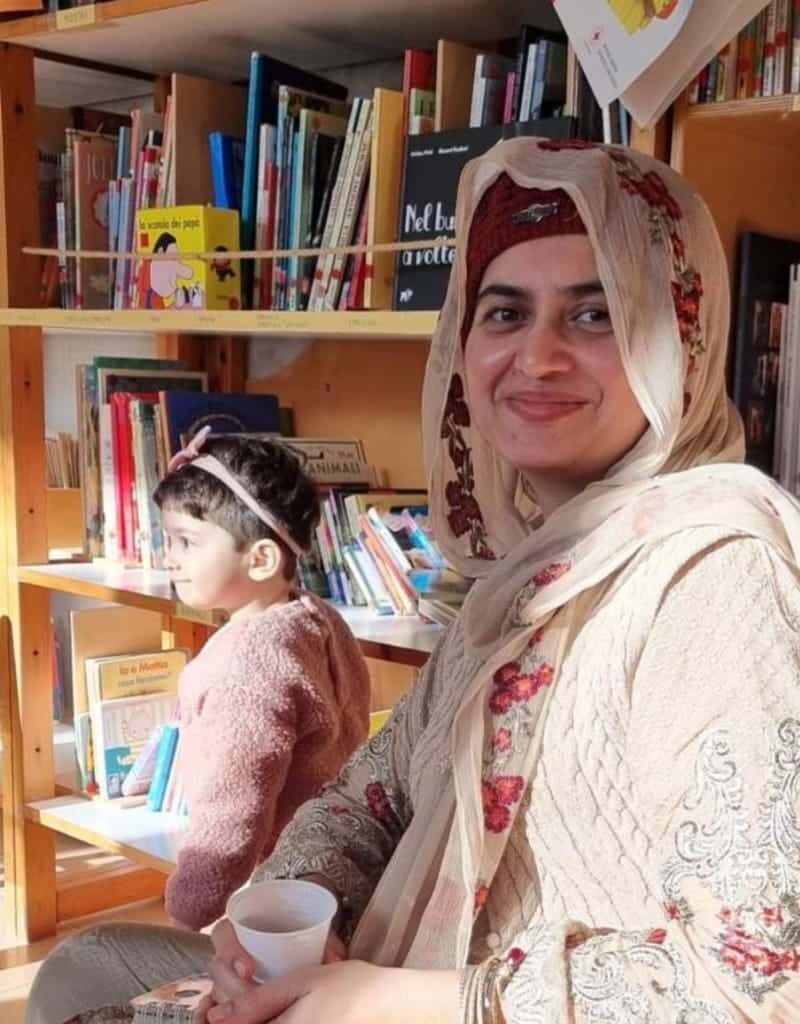
Articolo di Sidra Akram, scrittrice pakistana, con master in Mass Comunication e Media Studies, da sette anni a Bologna e studentessa di Simbo (Scuola Italiano Migrante Bologna)
I sogni che lei porta con sé: quando una donna pakistana arriva in Italia
Quali sogni portano con loro le donne pakistane quando arrivano in Italia? Sogni che non possono essere piegati in una valigia. Sogni che viaggiano sulle nuvole, che attraversano i mari, e atterrano in un aeroporto italiano insieme a loro. Per anni, hanno nutrito queste speranze: «Quando raggiungerò l’Italia, la vita cambierà. Accadrà questo, accadrà quello».
La maggior parte di queste donne arriva come moglie, per congiungersi con i mariti che hanno lavorato all’estero per tanto tempo. Alcune sono appena sposate, altre portano figli minorenni, per ritrovarsi con i padri che anni prima sono andati via per guadagnarsi da vivere in Italia.
Ma una volta arrivate, cosa trovano davvero? Come i loro sogni incontrano la realtà? Come cambia la vita per una donna che si trasferisce da una città o un villaggio pakistano a Bologna?
«Ho parlato con alcune donne pakistane, ed ecco cosa ho imparato a riguardo»
La storia di Sana
Sana vive a Bologna. È arrivata nella città solo sei mesi fa, già incinta di quattro mesi. Lei ricorda:
«Quando ero in Pakistan, ero così felice all’idea che sarei andata in Italia, a Bologna. Tutti sognano di andare in Europa. Ma allo stesso tempo, il mio cuore era triste perché il visto di mio figlio piccolo non era arrivato con il mio. Non potevo sentire la felicità appieno. Quando sono arrivata qui, sono diventata molto stressata. Ero incinta di quattro mesi, piangevo ogni giorno. Il sistema delle case a Bologna è così diverso dal Pakistan. Avevo solo una stanza, e gestire tutto era difficile. Per due mesi e mezzo, non sono uscita affatto, neanche quando la mia vicina mi ha incoraggiata. Poi un giorno sono uscita, ed è stato bello. Lentamente, la vita ha cominciato a migliorare. Ora vivo in un bilocale, è nata mia figlia, e il visto di mio figlio è stato finalmente approvato. Ho realizzato che ci vogliono dai cinque ai sei mesi per ambientarsi in qualsiasi posto nuovo».
Per Bushra, l’Italia era un sogno di un nuovo inizio.
«La vita in Pakistan era piena di stress e problemi di salute. Pensavo che una volta venuti in Italia, tutto sarebbe andato bene e per molti versi è così. Sembra di entrare in un mondo totalmente nuovo. Ma mi mancano così tanto i miei fratelli e i miei cari. Questa è l’unica tristezza. Qui le persone sono gentili e nessuno interferisce con la tua vita. Tanti miei sogni si sono realizzati, ma essendo pakistana e musulmana, i miei pensieri restano sempre con il Pakistan. Non importa dove andiamo, quello rimane nei nostri cuori».
Humaira ha parlato delle emozioni e del romanticismo di una relazione tra moglie e marito
Humaira sottolinea le aspettative emotive che molte donne portano con sé. È inoltre preoccupata delle speranze e dei sogni dei suoi tre bambini, che sono venuti qui con lei.

Foto di Humaira (©Sidra Akram)
«Per anni, abbiamo vissuto separate dai nostri mariti, senza vivere davvero la vita matrimoniale. Perciò il nostro sogno più grande è di poter stare finalmente con loro da soli, insieme, una vita felice. In Pakistan, ci sono soldi perché i mariti li mandano all’estero, ma la vera mancanza è l’amore. Quando arriviamo qui, pensiamo che la vita sarà romantica. Ma la realtà è diversa. I mariti sono sempre a lavoro, lavoro, lavoro. Le donne sono a casa, a volte da sole, soprattutto se non c’è la famiglia nelle vicinanze. Senza conoscere la lingua, è ancora più difficile. Anche i bambini sognano grandi case e lussi qui. Ma quando arrivano, vedono che Baba non può provvedere alle stesse comodità come in Pakistan. I sogni delle donne e dei bambini sono diversi ma entrambi sono messi alla prova qui».
La storia di Noreen abbraccia più di un decennio
«Sono sposata da undici anni e ho quattro figli. Mio marito tornò in Italia solo due mesi dopo il matrimonio. E poi quasi ogni due anni tornava in Pakistan a trovare la sua famiglia per un mese o due di vacanza. Vivevo in una grande famiglia allargata in Pakistan, quattro fratelli, tre cognate, suoceri, è stato molto difficile. Mio marito non aveva mai pianificato di portarci a Bologna, ma le tensioni e i problemi familiari continuavano a crescere.
Un po’ alla volta, molti parenti si trasferirono all’estero. Alla fine, mio marito decise di portarci qui. Il processo è stato duro, falsi appuntamenti, ritardi, ma dopo molti sacrifici, abbiamo ottenuto i nostri visti. Anche allora, quando siamo saliti per la prima volta sull’aereo, si è rotto e siamo dovuti tornare indietro. La gente ci prendeva in giro, ed è stato straziante. Ma due giorni dopo, abbiamo ripreso il volo, e questa volta siamo arrivati in Italia, a Bologna. La vita qui è molto diversa. I bambini sono felici con il loro padre, qualcosa che io non avrei mai potuto dar loro in Pakistan. Le strutture sanitarie sono eccellenti. Le ammissioni scolastiche sono state difficili, ma ora sono sistemate. La lingua è ancora una sfida per me e i bambini, ma stiamo imparando. Alhamdulillah, l’Italia e Bologna ci hanno dato molto».
Tra sogni e realtà
Per queste donne, l’Italia è sia un sogno che una sfida. Offre libertà, nuovi inizi, migliore assistenza sanitaria, istruzione e una vita insieme ai loro mariti. Ma porta con sé anche solitudine, barriere linguistiche e il dolore di lasciarsi alle spalle famiglia e familiarità.
Le loro storie ci ricordano che la migrazione non è mai soltanto trasferirsi da un paese all’altro. Si tratta di portare sogni fragili oltre i confini e trasformarli lentamente in realtà.
Sono sogni di donne che tengono in piedi le loro famiglie, donne cresciute in una società in cui i ruoli di genere sono delineati con un’irremovibile chiarezza. Agli occhi di un occidentale, questi sogni potrebbero sembrare confusi, persino irrealistici. Ma per queste donne sono tutt’altro.
Sono sogni di una moglie che un tempo aspettava a chilometri di distanza lontana dal marito, guardando il calendario scorrere mentre lui lavorava sodo. E poi, finalmente, arrivò il giorno in cui la portò proprio nel mondo in cui lavorava, costruendo un sostentamento non solo per loro, ma anche per la famiglia rimasta in Pakistan, le cui vite sono state cambiate per sempre grazie ai suoi sacrifici.
Bene, quella è un’altra storia per un’altra volta, questi sogni sono sufficienti.
Versione in Inglese
When a Pakistani Woman Comes to Italy: The Dreams She Carries
What dreams do Pakistani women bring with them when they come to Italy? Dreams that cannot be folded into a suitcase. Dreams that travel on clouds, cross seas, and land at Italian airports alongside them. For years, they have carried these hopes: “When I reach Italy, life will change. This will happen, that will happen.”
Most of these women arrive as wives, joining husbands who have been working abroad for a long time. Some are newlyweds; others bring children under eighteen, finally reuniting with fathers who left years ago to earn a living in Italy.
But once they arrive—what do they actually find? How do their dreams meet reality? How does life change for a woman who moves from a Pakistani village or city to an Italian one?
«I spoke with some Pakistani women, and here is what we have learned about it»
The Sana’s story
Sana lives in Bologna. She came to Bologna just six months ago, already four months pregnant. She recalls:
«When I was in Pakistan, I was so happy that I would go to Italy. Everyone dreams of going to Europe. But at the same time, my heart was heavy because my little son’s visa didn’t come with mine. I couldn’t feel the happiness fully. When I arrived here, I became very stressed. I was four months pregnant, crying every day. The house system here is so different from Pakistan. I had only one room, and managing everything was hard. For two and a half months, I didn’t go outside at all—even when my neighbour encouraged me.
Then one day I stepped out, and it felt good. Slowly, life started getting better. Now I have a two-room house, my daughter has been born, and my son’s visa has finally been approved. I’ve realised it takes five to six months to adjust to anywhere new».
For Bushra, Italy was a dream of a new beginning
Bushra came to her husband after seventeen years of marriage with her teenage daughters and two-year-old son.
«Life in Pakistan was full of stress and health problems. I thought once we went to Italy, everything would be fine—and in many ways, it is. It feels like entering a whole new world.
But I miss my siblings and loved ones so much. That is the only sadness. Here, people are nice, and no one interferes in your life. A lot of my dreams came true, but being Pakistani and Muslim, our thoughts always stay with Pakistan. No matter where we go, that remains in our hearts».
Humaira spoke about the emotions and romance of a husband and wife relationship.
She highlights the emotional expectations many women carry. She is also concerned about the hopes and dreams of her three children, who came here with her.
«For years, we have lived apart from our husbands, not really experiencing married life. So our biggest dream is to finally be with them—alone, together, a happy life. In Pakistan, there is money because husbands send it from abroad, but the real shortage is love.
When we come here, we think life will be romantic. But the reality is different. Husbands are always at work, work, work. Women are at home, sometimes lonely, especially if there’s no family nearby. Without knowing the language, it’s even harder.
Children also dream of big houses and luxuries here. But when they arrive, they see Baba cannot provide the same comforts as in Pakistan. Women’s dreams and children’s dreams are different—but both are tested here».
Noreen’s story spans more than a decade
«I’ve been married eleven years and have four children. My husband returned to Italy just two months after our wedding. And then every almost two years, he would go to Pakistan to visit his family for a month or two on vacation. I lived in a large joint family in Pakistan—four brothers, three sisters-in-law, in-laws—it was very difficult.
My husband never planned to call us to Italy, but family tensions and problems kept growing. Gradually, many relatives moved abroad. Finally, my husband decided to bring us here. The process was tough—fake appointments, delays—but after many struggles, we got our visas.
Even then, when we first boarded the plane, it broke down and we had to return. People mocked us, and it was heartbreaking. But two days later, we flew again, and this time we reached Italy.
Life here is very different. The children are happy with their father—something I could never give them in Pakistan. The health facilities are excellent. School admissions were difficult, but are now sorted. The language is still a challenge for me and the children, but we are learning. Alhamdulillah, Italy has given us a lot».
Between Dreams and Reality
For these women, Italy is both a dream and a test. It offers freedom, new beginnings, better health, education, and a life together with their husbands. But it also brings loneliness, language barriers, and the ache of leaving behind family and familiarity.
Their stories remind us: migration is never just about moving from one country to another. It is about carrying fragile dreams across borders and slowly reshaping them into reality.
These are the dreams of women who keep their households running, women raised in a society where gender roles are drawn with unshakable clarity. To a Western eye, such dreams might appear hazy, even unreal. But for these women, they are anything but.
They are the dreams of a wife who once waited oceans apart from her husband, watching the calendar slip by as he laboured in the road. And then, finally, the day came when he brought her into the very world where he worked—building a livelihood not only for them, but for the family left behind in Pakistan, whose lives were forever altered by his sacrifices.
Well, that is another story for another time. For now, these dreams are enough.